
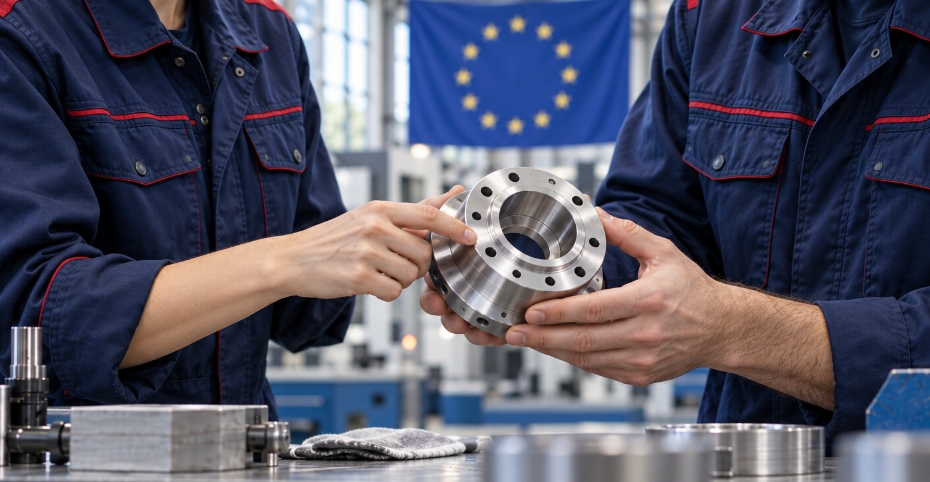
Il Sindacato Europeo (CES) rivendica politiche più incisive per lo sviluppo dell’economia e dei posti di lavoro di qualità, per incentivare le produzioni nazionali e il mercato interno e per recuperare competitività rispetto ai paesi concorrenti. Con l’Accordo di Associazione, San Marino dovrà prestare ancora più attenzione alle politiche economiche e sociali dell’UE
RSM 13 settembre 2026 – La CSdL segue costantemente l’attività della Confederazione Europea dei Sindacati (CES), a cui è affiliata, e ritiene di condividere con l’opinione pubblica il proprio giudizio positivo rispetto alla posizione espressa dalla CES sulla necessità di rafforzare la politica industriale europea. A maggior ragione con l’Accordo di Associazione alle porte e considerando che il mercato europeo è quasi esclusivamente quello cui si rivolgono le imprese sammarinesi, occorre che Governo e parti sociali prestino la massima attenzione alle politiche economiche e sociali messe in atto dagli Organismi dell’UE.
La CSdL, da sempre sostenitrice dell’integrazione europea, ritiene che una UE capace di difendere il lavoro, le proprie competenze e le proprie attività produttive non sia solo necessaria per le persone che il sindacato rappresenta, ma che vada a beneficio di tutti. A sua volta, San Marino, pur nelle sue dimensioni, può inserirsi nel contesto economico europeo puntando su qualità, innovazione, professionalità e sostenibilità. Per farlo servono investimenti e politiche pubbliche, non liberalizzazioni.
In proposito, con un recente rapporto, la CES ha preso posizione in merito al dibattito acceso in sede UE su come invertire la tendenza che vede una progressiva perdita di competitività dell’economia europea. Storicamente, c’è chi sostiene una politica industriale meno tutelante, protettiva e incisiva, prendendo a riferimento paesi che riconoscono meno diritti contrattuali e sociali ai lavoratori e regole meno stringenti sulla qualità dei prodotti, e chi indica altri modelli, anche difensivi, per tutelare lavoro e imprese europee. La CES ha giustamente scelto di schierarsi con questi ultimi, proponendo la propria visione.
Peraltro, Paesi come Stati Uniti, Cina, India, Brasile e Indonesia utilizzano politiche che favoriscono la produzione nazionale e sostengono attivamente le proprie industrie, molto più di quanto avviene nei paesi della UE. Ciò ha creato una situazione di svantaggio per l’Europa.
La CES chiede di rafforzare il principio “Made in Europe”, favorendo produzione, investimenti e occupazione europei. L’obiettivo è ricalibrare gli incentivi, aumentandoli ove necessario e opportuno, alle attività produttive nei paesi della UE e favorire il mercato interno, contrastando la deindustrializzazione e la dipendenza dall’estero nell’approvvigionamento di beni e servizi.
La CES ricorda che tra il 2019 e il 2023 sono stati persi oltre 850.000 posti di lavoro solo nel settore manifatturiero europeo e la situazione potrebbe peggiorare, anche a causa dei piani di riduzione del personale annunciati da grandi aziende.
Favorire la produzione europea e l’occupazione interna, secondo il rapporto della CES, non significa necessariamente diventare protezionisti o chiudersi al commercio internazionale. L’obiettivo è, piuttosto, tutelare le proprie attività produttive e i diritti dei lavoratori, creando un sistema in cui anche le aziende straniere possano operare e accedere agli incentivi e/o vendere i propri prodotti in Europa, rispettando precisi standard attraverso tutta la filiera e non solo, ad esempio, limitandosi all’assemblaggio finale all’interno dell’UE per ottenere il marchio CE.
Per la CES, un’Europa che rinunci al binomio di qualità e capacità produttiva della propria industria in nome di un mercato senza condizioni non è un’opzione. Anche la CSdL sostiene il progetto europeo aperto agli scambi e agli investimenti internazionali, ma capace di chiedere reciprocità e di difendere il lavoro. A nostro avviso, pur non facendo parte degli Organismi dell’UE, con l’Accordo di Associazione San Marino potrà e dovrà inserirsi in questo progetto, utilizzando al meglio gli ambiti di consultazione previsti.
Il testo integrale in lingua inglese della CES è consultabile sotto al presente comunicato.
CSdL
- Report: EU’s major competitors have ‘Made in Europe’ style policies
Delaying a strong Made in Europe policy is placing the EU at a severe disadvantage compared with its most successful competitors, sacrificing jobs and industries in a naïve reliance on a laissez faire strategy of the past.
That is among the key findings of a new report for the European Trade Union Confederation (ETUC) by experts Anaïs Voy-Gillis and Tristan Ménere: Making the Industrial Accelerator Act deliver for European industry, workers and regions.
The European Commission says that the Act, which currently only covers around 15% of EU manufacturing, would already bring a net benefit of 8 billion Euro a year to the European economy and would generate and maintain around 150,000 jobs.
‘World norm’
At a time when industrial jobs are being slashed – over 850,000 manufacturing jobs have been cut between 2019 and 2023, a figure which is only accelerating as illustrated by the recently announced plans to cut jobs at VW, the ETUC says the Act must be strengthened to ensure it applies to more sectors and secures more quality jobs. Opponents say though that the Act runs contrary to Europe’s commitment to free trade.
Hitting back at those claims, the report points out that local content requirement is the world norm, not a European aberration and sets out what lessons can be learned from similar policies in the United States, China, India, Brazil and Indonesia.
“The alternative is not autarky,” the study concludes. “It is a more deliberate form of European openness : production can involve foreign-owned firms and international partners, but access to policy-shaped demand is connected to substantive contribution, reciprocity, resilience and rights.”
Based on global best practice, the report has five recommendations for the Industrial Accelerator Act:
- Third countries should only be included based on reciprocity and equivalent standards;
- Origin rules must reflect the whole supply chain and not only final assembly;
- Progressive quotas that increase Made in Europe production requirements over time;
- Cost derogations must be exceptional and take account of dumping and foreign subsidies;
- Binding quality-job and territorial conditions are required wherever public demand is created.
Commenting on the report, ETUC General Secretary Esther Lynch said:
“The EU needs to get with the times and realise that relying on open trade alone will not cut it anymore. Europe has been sleepwalking towards deindustrialisation because we have shied away from backing our industries in the same way that our competitors have backed theirs. This report demonstrates how we can learn from them to create good jobs and industrial capacity.
“Millions of skilled jobs depend on Europe having a real industrial policy. The cost of our energy bills depend on it. Our ability to defend ourselves depends on it. This is no time for half-measures.”
ETUC Confederal Secretary Ludovic Voet added:
“Working people are fed up of seeing their jobs threatened, their companies restructured, and their communities emptied and then being told it is the inevitable result of globalisation. That is not true. Deindustrialisation has been the result of naive political choices.
“While governments across the world have been actively growing their domestic industries, some European leaders have pretended that doing nothing was an oath of allegiance to the concept of free trade. This report demonstrates that the Industrial Accelerator Act is not about protectionism but about finally starting to level the playing field for Europe’s companies and workers.”
IndustriAll Europe General Secretary Judith Kirton-Darling, said:
“With up to 1.3 million European manufacturing jobs at risk in the coming months, Europe cannot afford to manage industrial decline. The Industrial Accelerator Act must be a turning point – putting Made in Europe at its heart and driving investment into Europe’s workers, factories and industrial regions. The money to invest exists. The real question is where companies choose to invest it, we call on them to commit to Europe.”